Solar Pumps: A Farmer’s Irrigation Readiness Checklist for the Rabi Season

by OMI Team

|

28 July 2026

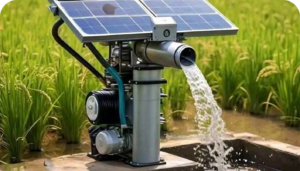
September is decision time, not sowing time. It is the month when land and water preparation happens ahead of Rabi sowing in October, and because Rabi crops lean on assured irrigation far more than on rainfall, the condition of your solar pumps right now largely decides how smooth the season ahead will be. Running through a short readiness checklist before sowing begins can save weeks of disruption later.

Is your borewell yield still matched to your pump capacity?

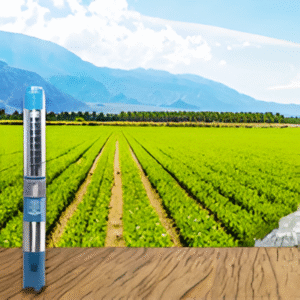
Water tables shift after the monsoon, and a pump sized for last season’s yield may now be pulling more than the borewell can sustainably deliver, or too little to meet Rabi’s irrigation schedule. Before committing to sowing dates, check the borewell’s current yield and confirm it still lines up with your pump’s rated capacity. A mismatch here is one of the most common causes of dry running and strained motors once the season is underway.

Are your solar panels producing full output?

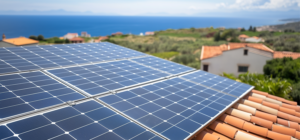
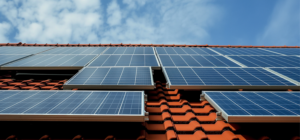
Months of dust, monsoon grime and shading from new growth around the array can quietly cut panel output well before anyone notices a drop in water flow. Clean the panel surface, check for cracked cells or loose mounting, and confirm the array still gets unobstructed sun for most of the day. A panel running at reduced output may still turn the pump, but it will not deliver the flow rates Rabi irrigation demands.

Is your controller and wiring in good condition?

The controller and cabling connecting panels to pump are exposed to heat, moisture and rodents all year round. Loose connectors, frayed insulation or a controller that has not been checked since last season are easy to overlook until the pump fails at a critical watering window. A quick visual inspection and a test run now is far cheaper than an emergency call-out once sowing is underway.

Have you serviced moving parts before sowing begins?

Bearings, seals and impellers wear gradually, and a pump that laboured through the last irrigation cycle may not survive a fresh season without attention. Scheduling servicing now, whilst there is no urgent irrigation demand, means any parts replacement or repair happens on your timeline rather than in the middle of a critical watering window.

Is your battery or backup arrangement, if any, reliable?

Where a solar setup includes battery storage or a backup arrangement for cloudy days, this is the moment to test it properly rather than assume it still holds charge. A battery that has sat unused over the monsoon can lose capacity quietly, and discovering this only during an overcast spell in the middle of Rabi irrigation is the worst possible time.

Have you scheduled installation or servicing early enough?

Every farmer preparing for Rabi is thinking about their pump at the same time, which means technicians and installers get busiest right before sowing. Booking a service check or a new installation now, ahead of the October rush, means the work gets done properly rather than in a hurry.

A solar pump that is checked, cleaned and serviced before October gives Rabi sowing the one thing it depends on most: irrigation you can count on regardless of what the skies do. If your setup needs a capacity review, a service visit or a fresh installation before the season starts, OMI Pumps can help you get ready in good time.

Talk to our solar team

Not sure which solar pump suits your land?

Share your water source, depth and acreage — we’ll recommend the right configuration.

Let's help you!
Reach Us
Address
D.No: 11 & 12, Ramakrishnapuram, Ganapathy, Coimbatore, Tamil Nadu 641006.

FROM THE BLOG

More Articles