
Solar Water Pumps in Coimbatore: Freeing Farmers from Restricted Agricultural Power Supply Hours
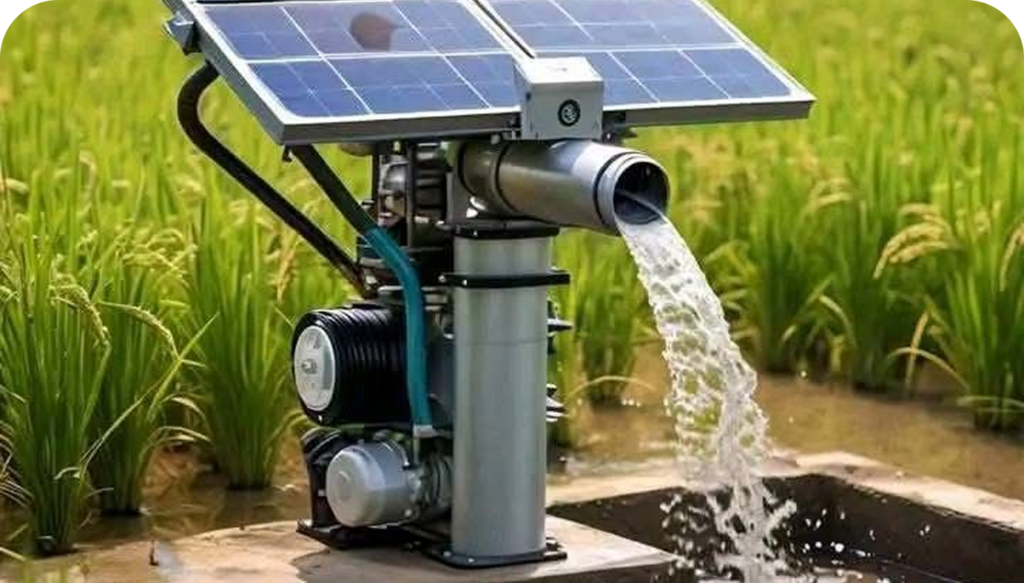
For many farmers across the Coimbatore-Tiruppur region, irrigation still depends on when the grid decides to supply power, not on when the crop needs water, which is exactly why solar water pumps in Coimbatore are becoming the practical answer for farms that cannot wait for a fixed schedule. Restricted agricultural power supply hours have long shaped how and when farmers can run their pumps, and solar offers a way around that constraint entirely.
Solar Pumps: A Farmer’s Irrigation Readiness Checklist for the Rabi Season
September is decision time, not sowing time. It is the month when land and water preparation happens ahead of Rabi sowing in October, and because Rabi crops lean on assured irrigation far more than on rainfall, the condition of your solar pumps right now largely decides how smooth the season ahead will be. Running through a short readiness checklist before sowing begins can save weeks of disruption later.
Solar Pumps: A Practical Guide to Choosing the Right Horsepower and Capacity for Your Farm
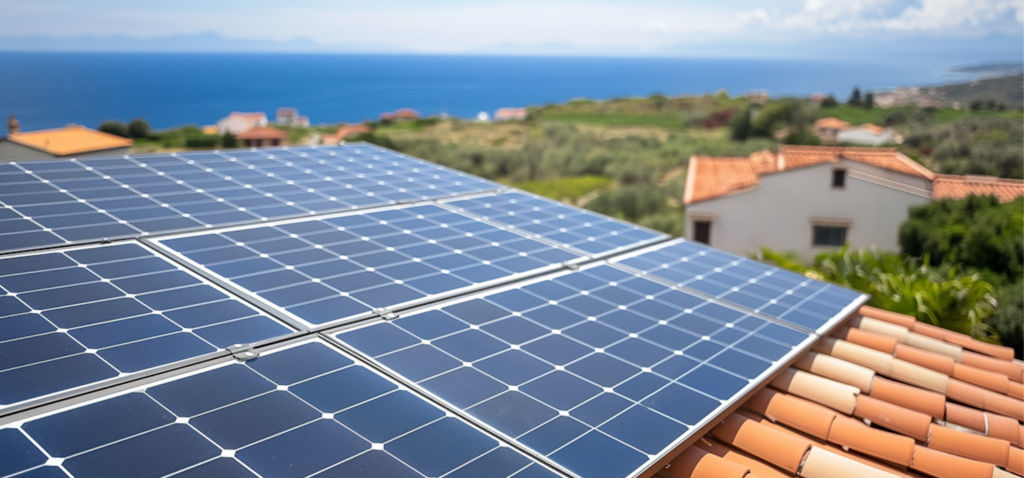
Choosing the right solar pumps for your farm is one of the most important decisions you’ll make before the season starts, yet it’s often rushed. Many farmers pick a pump based on what a neighbour uses, without properly assessing borewell depth, farm size or their crops’ actual water demand. Getting the horsepower and capacity wrong can mean inefficient irrigation, higher running costs or a pump that can’t keep up during peak growing months. This guide walks through the practical factors that determine the right size for your setup, so you can have an informed conversation with your supplier before you buy.
Solar Water Pumps in Coimbatore: Essential Monsoon Maintenance Tips for Uninterrupted Irrigation
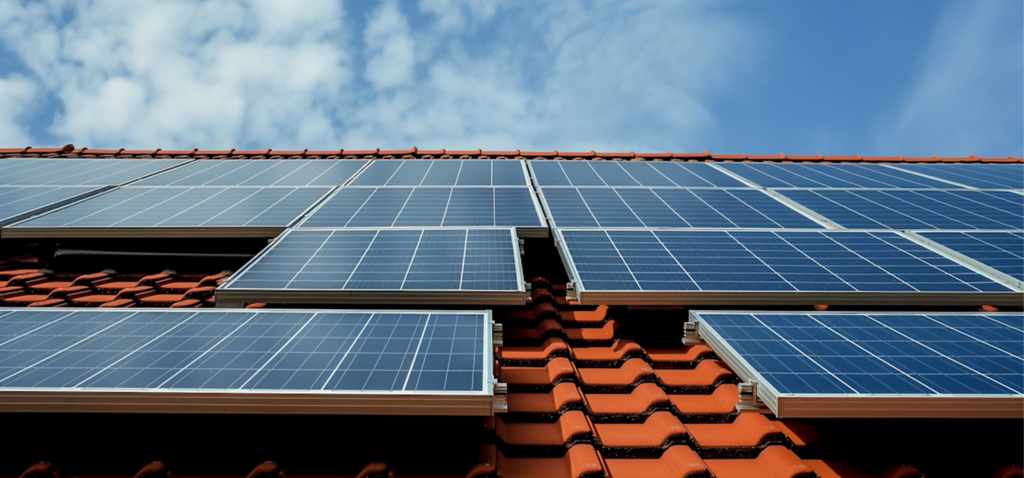
The monsoon season brings welcome rain to Coimbatore’s farmlands, but it also puts solar water pumps in Coimbatore through their toughest test of the year. Heavy downpours, sudden humidity spikes and mud splashing onto panels can all affect how efficiently a solar pumping system performs. For farmers who depend on steady irrigation during this period, a few weeks of neglect can mean reduced water flow just when crops need it most. The good news is that most monsoon-related issues are preventable with routine checks and simple upkeep. This guide walks through practical maintenance steps that help keep panels, wiring and pump components running smoothly, so irrigation continues without unexpected interruptions through the wettest months.
Solar Motor Pumps in Coimbatore: A Practical Guide to Costs, Subsidies and Choosing the Right System
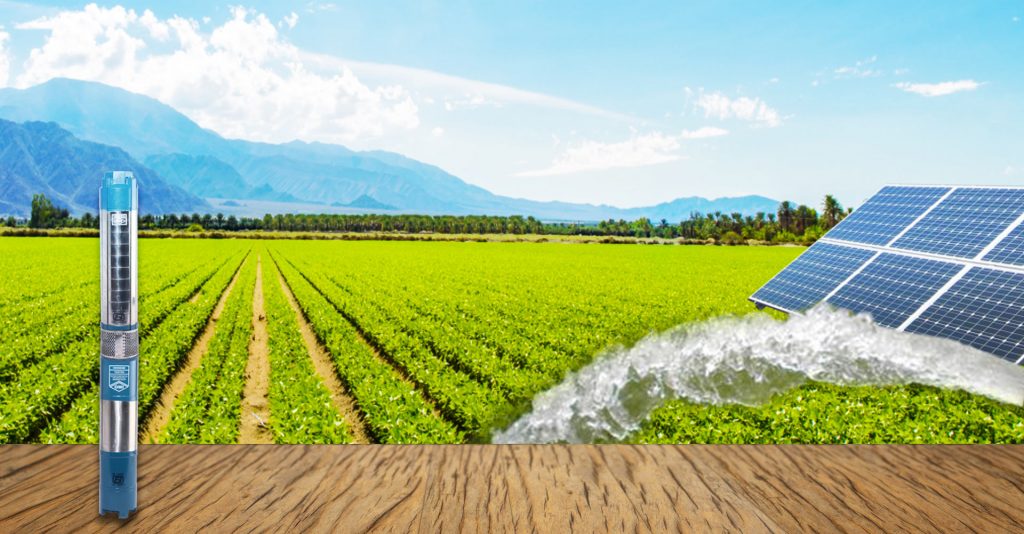
Choosing the right solar motor pump in Coimbatore involves more than picking a horsepower rating from a catalogue. The city and the surrounding agricultural belt have specific water sourcing conditions: a mix of borewells, open wells and surface water, with varying depths depending on location and seasonal variation in water demand. Getting the system sizing right from the start means you’ll have reliable performance for years, rather than dealing with an underpowered or oversized installation that doesn’t do the job.
How Government Subsidies Are Making the Switch Easier Than Ever
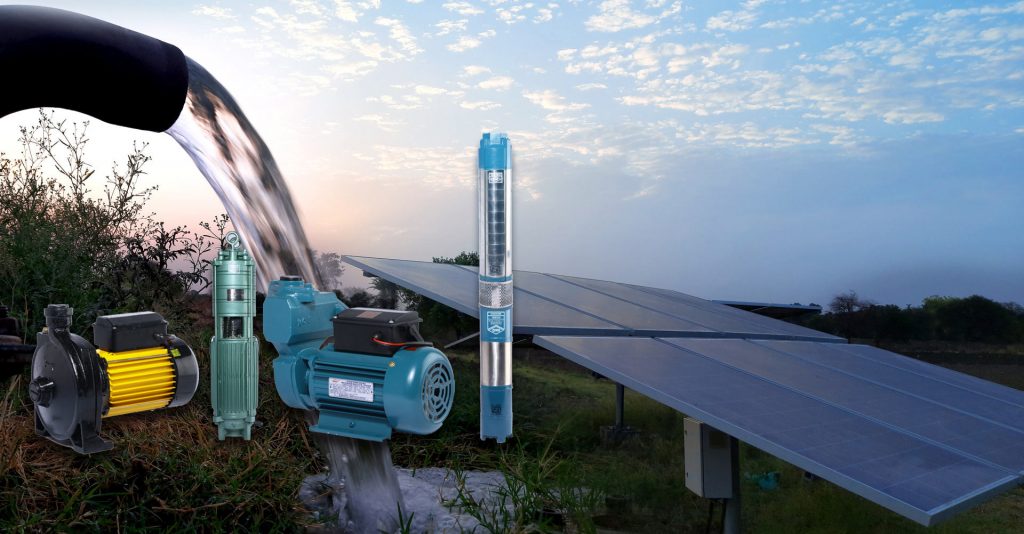
For Indian farmers, solar pumps have moved from a premium option to a genuinely practical choice, largely because of government subsidy schemes that dramatically reduce the upfront investment. The PM-KUSUM scheme, which stands for Pradhan Mantri Kisan Urja Suraksha Evam Utthaan Mahabhiyan, has been designed specifically to help farmers replace diesel and electric pumps with solar-powered alternatives. Understanding how the scheme works, and what you need to do to access it, is the first step towards reducing your running costs significantly.